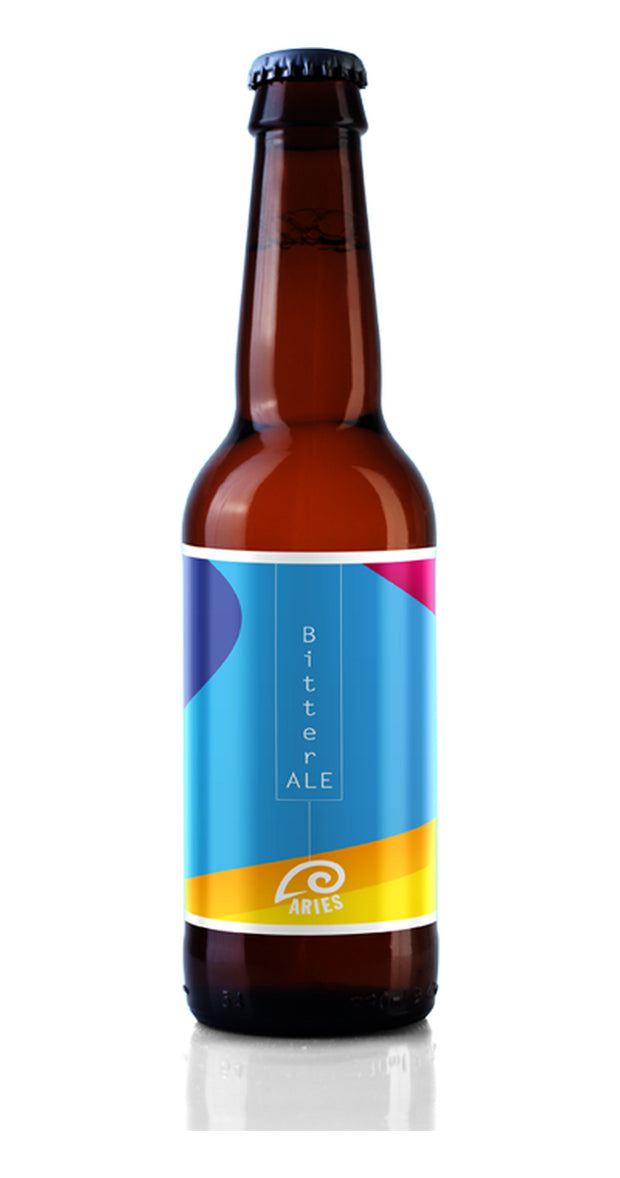
Venus
Bitter Ale · 33 cl bottle
Lightly carbonated, and should not be drunk chilled
€5,50
What it is, and what is in it
An English bitter does something almost no other beer does: it asks not to be chilled. Venus should be drunk at room temperature or nearly so, and the brewery explicitly states this. Iced, it's not the same beer: cold mutes the hop aroma, which is the good part here.
The carbonation is intentionally low, and with fewer bubbles, the liquid rests on the tongue instead of pricking it. Three point nine percent: light in alcohol, not in taste — thirty-eight bitterness units in a beer like this is a lot, and indeed the bitterness is there, intense but without harshness.
A decided amber color. Top-fermented, unfiltered, unpasteurized, re-fermented in the bottle.
- Fermentation
- Alta fermentazione, rifermentazione naturale in bottiglia
- Filtration
- Non filtrata, non pastorizzata
- Ingredients
- Water, barley malt, wheat, sugar, hops, yeast.
- Allergens
- Gluten (barley malt, wheat).
What it is like
Color
Ambrato
What the brewery drinks it with
The pairings declared for this beer.
- Cheeses
- Cured meats
- And especially cakes made with walnuts or other dried fruit
- And honey
The label’s terms, explained
What a bitter is
The English pub beer par excellence, and the name misleads: «bitter» was what nineteenth-century drinkers called it to tell it apart from the milds, which were less hopped, not because it is intensely bitter. It is an amber ale of low strength, built to be drunk in quantity and in company: light body, discreet malt, and the hops giving it its signature without raising their voice.
Why the brewery serves it not cold
For this beer Aries states a serving temperature at or near room temperature, and it is not an oddity: it is the rule for English bitters, which come out of hand pumps in pubs at around twelve degrees. Cold puts out the volatile molecules — that is, the aroma — and numbs the tongue; on a beer whose interest lies in the aroma of the hops and in an already light body, serving it ice-cold means taking away almost everything there is to taste.
Low carbonation
How much carbon dioxide is dissolved in the beer. Few bubbles do not mean a flat beer: they mean that the liquid rests on the tongue instead of pricking it, and that the palate reads the body and the bitterness instead of the fizz. It is a stylistic choice, and it goes together with the higher serving temperature.
Wheat in a barley beer
Alongside the barley malt, the recipe contains wheat flakes. Wheat carries more protein than barley, and it is the proteins that hold up the head: a beer with wheat makes a denser head that lasts longer. It also gives a fuller sensation in the mouth. It is a cereal with gluten: that is why it appears among the allergens together with barley.
What IBUs are
International Bitterness Units: the laboratory measure of the bittering substances the hops have given to the beer. An industrial pale lager sits around 10-20, a pale ale between 30 and 45, a modern IPA often goes past 60. It is not a scale of taste: on a dark, malty beer the same number is perceived less, because the sweetness of the malt offsets the bitterness.
What it says on the bottle
The mandatory label information, transcribed from the label of the size on sale.
- Ingredients
- Water, barley malt, wheat, sugar, hops, yeast.
- Allergens
- Gluten (barley malt, wheat).
- Alcoholic strength
- 3,9% vol.
- Contents
- 33 cl bottle
- Place of production
- Produced in San Pierino, Fucecchio (FI)
| Energy | 138 kJ / 33 kcal |
|---|---|
| Fat | 0 g |
| of which saturated fatty acids | 0 g |
| Carbohydrate | 2,7 g |
| of which sugars | 0,4 g |
| Protein | 0,4 g |
| Salt | <0,01 g |
| Alcohol (ethanol) | 3,1 g |
Where and how it is made
Daniele Nespeca, per Birrificio Aries, in Fucecchio.
A two-hectoliter brew · from barley to bottle, all in house
All 76 products by Birrificio Aries- How it is made
- Selection of raw materials, barley milling, mashing, filtration, whirlpool, yeast pitching, primary fermentation in fermenter, secondary fermentation in bottle or keg. All stages on-site: 2 hl brew kettle and two 600 l temperature-controlled stainless steel conical fermenters.
- Other sizes
- 33 cl bottle; 24 l keg.
The brewery’s other beers
Gli elementi



Il cielo


Le speciali
